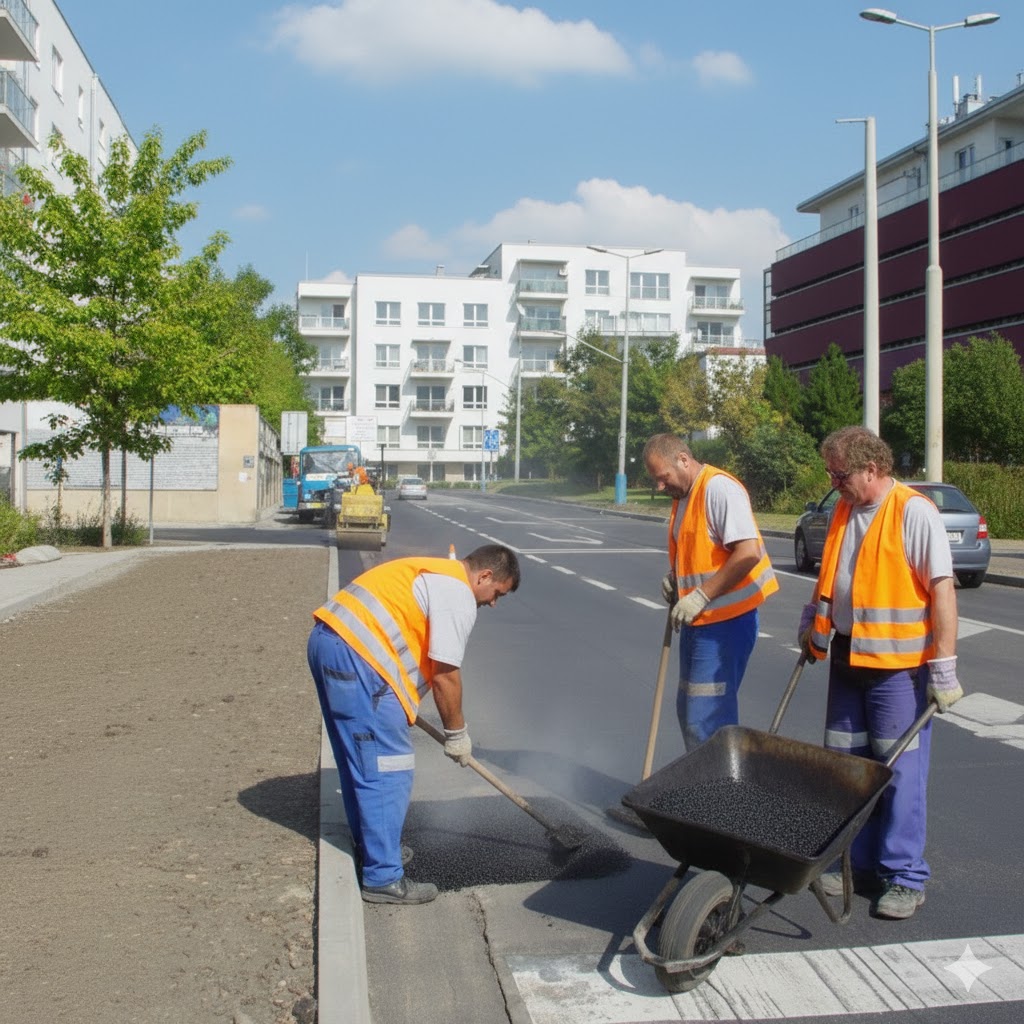
In a cooperative housing society comprising bungalows, internal roads are not merely convenience pathways but essential common amenities. When such roads fall into disrepair, they pose serious safety risks, especially for senior citizens, children, and pedestrians. If the managing committee has failed to address the issue for years, members are well within their legal rights to seek corrective action under the Maharashtra Co-operative Societies framework.
Who Is Responsible for Repairing the Internal Road?
An internal road located within the society premises forms part of the common areas and facilities. Its upkeep and maintenance are the statutory responsibility of the managing committee (MC). The MC cannot avoid this duty by citing lack of funds, internal disputes, or administrative delays.
Importantly, managing committee members are jointly and severally liable for acts of omission or negligence that are detrimental to the society’s interest. Prolonged inaction, especially when the road has become hazardous, can amount to a serious breach of duty.
Calling a Special General Body Meeting (SGM)
If the MC is not acting despite repeated representations, members can initiate the process themselves by calling a Special General Body Meeting.
The procedure is as follows:
• A requisition application must be submitted, signed by one-fifth of the total members of the society
• The requisition should clearly mention the agenda, namely repair and maintenance of the internal road
• The secretary is required to place the requisition before the MC within seven days
Once placed, the MC must:
• Fix the date and time of the meeting
• Issue five days’ clear notice to all members
Quorum and Conduct of the Meeting
The quorum for such a requisitioned meeting is two-thirds of the total members or 20 members, whichever is less.
This meeting cannot be adjourned due to lack of quorum. If the quorum is not present within 30 minutes, the meeting stands dissolved.
What If the Society Does Not Convene the Meeting?
If the managing committee fails to convene the requisitioned meeting, members have the right to escalate the matter by:
• Filing a complaint with the Registrar of Cooperative Societies
• Submitting an online complaint on sahakarsamvad.com by paying a nominal fee of Rs 50
Such complaints are forwarded to the Deputy District Registrar (DDR) of the respective ward for necessary action.
Failure to Implement General Body Decision
If the general body passes a resolution to repair the road and the society still fails to act, members may:
• File a dispute before the Cooperative Court
• Seek directions compelling the society to carry out the repairs
Given the safety implications, courts generally view prolonged neglect of common infrastructure very seriously.
Conclusion
An unsafe internal road is not a minor inconvenience but a serious governance failure. Members need not suffer indefinitely due to committee inaction. The law provides clear remedies through requisition meetings, registrar complaints, and cooperative court proceedings to ensure that essential common amenities are properly maintained.