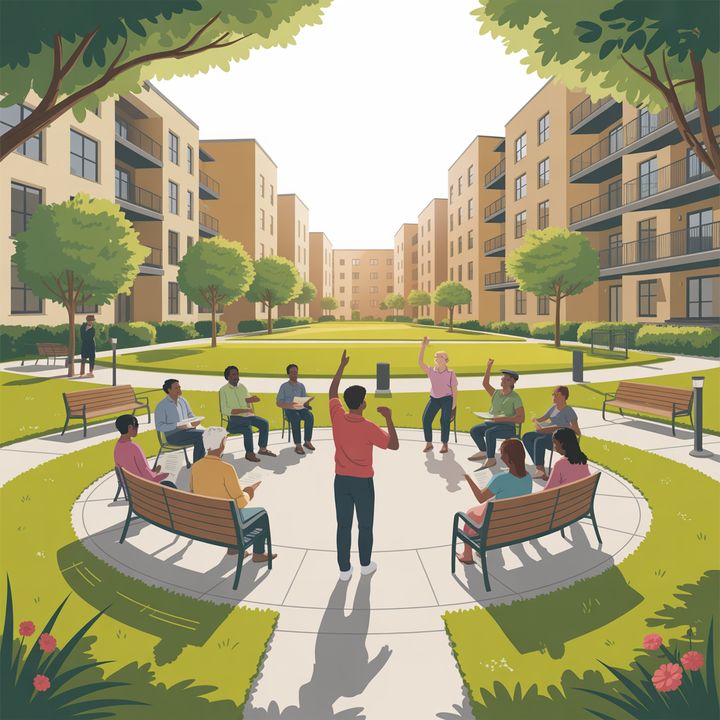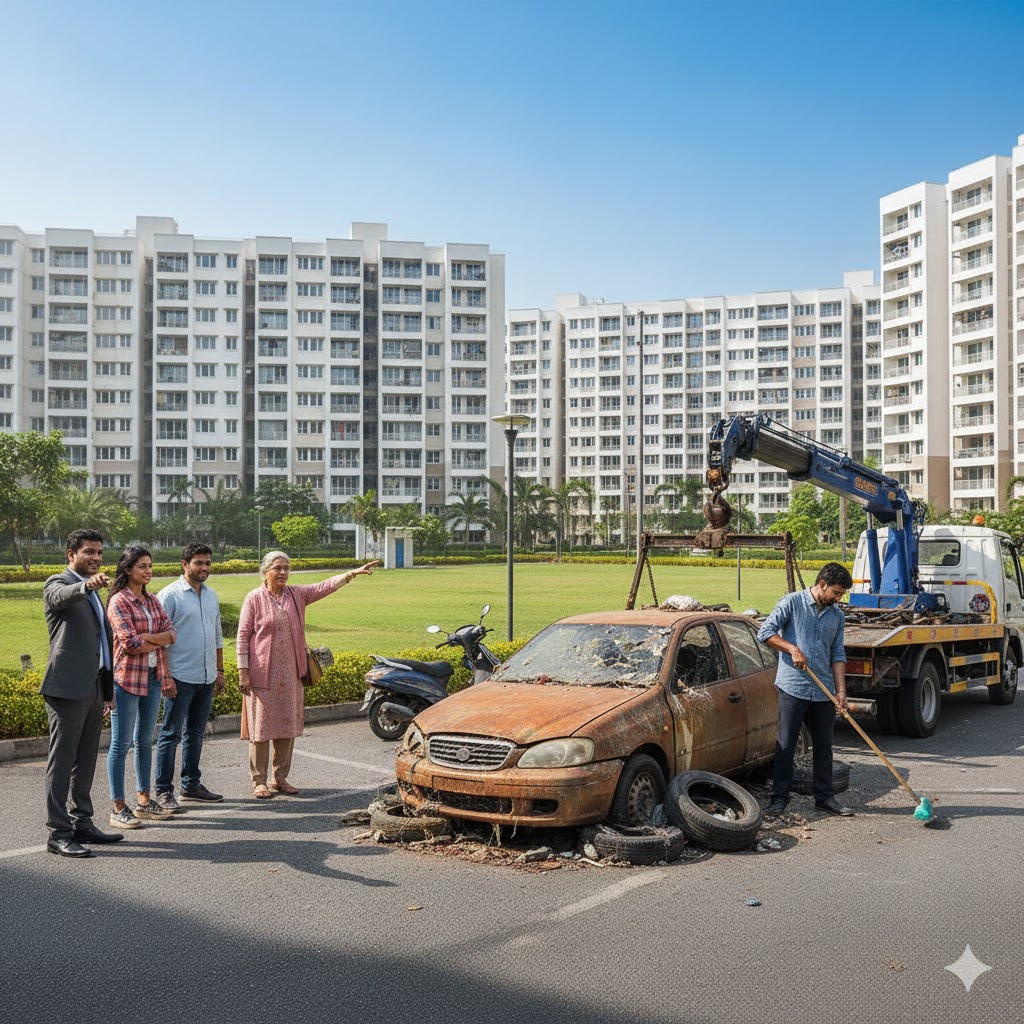
A clean and hygienic society environment is essential for the safety and well-being of all residents. When junk, unused vehicles, and construction debris accumulate in common areas, it increases the risk of rodents, snakes, mosquitoes, and infections. If repeated reminders by the managing committee (MC) are ignored, societies must turn to the provisions of the model bye-laws to restore order and enforce compliance.
Member Responsibilities During Renovation or Structural Changes
Members carrying out repairs, renovation, or structural changes must follow proper procedures:
• Obtain prior permission from the society and, where required, from the municipal authority.
• Segregate and properly dispose of construction and demolition (C&D) waste through municipal services or authorised private agencies.
• Ensure that common pathways, passages, parking zones, and open spaces are not misused or blocked with debris.
• Remove construction waste within the permitted time period to avoid constituting encroachment.
Role of the Managing Committee in Waste Management
The MC is empowered to ensure the cleanliness and safety of common areas. After identifying debris, junk, or abandoned items:
• The committee should notify the concerned member in writing to clear the waste.
• A reasonable time should be allowed for compliance.
• If the member ignores the notice, the society may levy a penalty as prescribed under the bye-laws.
Penalty for Failure to Remove Construction and Demolition Waste
Under Bye Law 169, if a member continues to keep construction waste in common areas beyond the stipulated period:
• A penalty up to five times the monthly maintenance charges may be levied for the entire period of default.
• If non-compliance persists, the society may remove the debris on its own and recover the expenses from the concerned member.
Dealing With Unused or Abandoned Vehicles
Junk vehicles also pose health and safety risks. To address this:
• The committee should ask members to remove unused vehicles within a specified period.
• A general body-approved parking policy should outline:
– Allocation of parking slots
– Conditions for temporary removal
– Consequences for violation
• In case of breach, the secretary must notify the member and give an opportunity to comply.
• If the member still ignores the directions, the MC may issue a show cause notice and, after hearing the explanation, impose penalties in line with Bye Law 165.
Steps the Society Should Immediately Take
To prevent recurrence and ensure better discipline:
• Circulate guidelines on the use of common spaces with penalties for non-compliance.
• Display do’s and don’ts on the notice board and in open/common areas.
• Conduct periodic cleaning drives and ensure residents cooperate.
• Form a cleanliness enforcement sub-committee, if needed.
• Maintain photographic records of violations for evidence.
Conclusion
Cleanliness in shared residential complexes requires cooperation between residents and strong enforcement by the managing committee. With established procedures under the bye-laws, societies can effectively tackle construction debris, junk accumulation, and abandoned vehicles, ensuring a safe and healthy living environment for all.