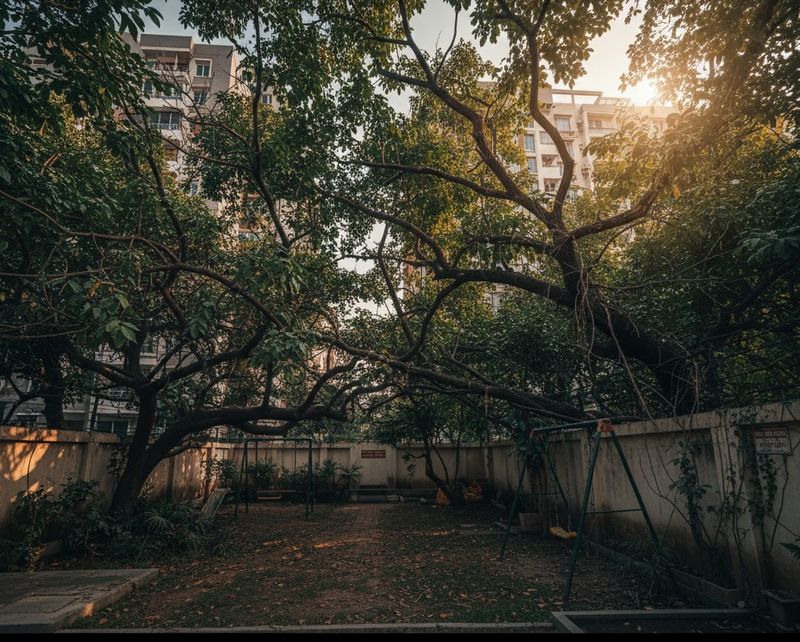
Overgrown trees from a neighbouring cooperative housing society can cause serious inconvenience and safety hazards. Branches entering flats may damage property, obstruct ventilation, reduce natural sunlight, invite pests, and in extreme cases, pose a threat to life during heavy rains or storms. Such situations are not merely a matter of inconvenience but raise legal, civic, and safety concerns.
Responsibility of the Neighbouring Society
It is the primary responsibility of the society within whose premises the trees are situated to ensure proper maintenance, pruning, and trimming of trees. This duty flows from their obligation to maintain their property in a manner that does not cause nuisance, danger, or loss to others.
Merely issuing a No Objection Certificate (NOC) to your society does not absolve the neighbouring society of its responsibility. Pleas such as lack of funds or time are not legally sustainable when the safety and property of neighbouring residents are at stake.
Liability for Damage and Safety Risks
If any injury, loss, or property damage occurs due to falling branches or overgrown trees, the neighbouring society may be held liable for negligence. Cooperative societies have a duty of care to prevent foreseeable harm arising from conditions within their control.
Overgrown trees that extend into another property may also constitute a private nuisance, giving rise to civil remedies.
Impact on Easementary Rights
Excessively grown trees that block sunlight, ventilation, or air can amount to an infringement of easementary rights, particularly the right to light and air, which is a recognised civil right. Continuous obstruction of natural light due to unchecked tree growth may legally strengthen your society’s complaint.
Whether Your Society Should Take Action Independently
While your society may apply for permission to prune the branches using the NOC provided, this is only a temporary or secondary option. The primary obligation remains with the neighbouring society. Your society should avoid bearing the financial or administrative burden for an issue it did not create, unless compelled by urgency or safety concerns.
Approaching the Municipal Corporation (BMC)
You are well within your rights to escalate the matter to the Brihanmumbai Municipal Corporation (BMC). The BMC has the authority to inspect, issue notices, and direct pruning or removal of dangerous trees.
You may take the following steps:
• File an online complaint on the BMC portal at mcgmgov.in
• Call the BMC helpline 1961
• Attach photographs, copies of correspondence exchanged between societies, and details of the risk posed
Upon inspection, the BMC can issue directions to the neighbouring society and, if required, carry out pruning and recover costs from them.
Further Legal Recourse
If the problem persists despite municipal intervention, your society may:
• Issue a legal notice citing nuisance and negligence
• Approach the civil court for injunctive relief
• Seek compensation if any damage has already occurred
Such steps are usually effective once civic remedies are exhausted.
Conclusion
To summarise:
• Maintenance of trees is the responsibility of the society owning them
• Giving only an NOC is not sufficient compliance
• Safety risks and obstruction of light are legally actionable
• Complaints can and should be escalated to the BMC
• Persistent inaction may invite civil liability
Your society should act promptly, as preventive action is always preferable to post-incident litigation.